Cybercrime-as-a-Service: Yes. It really exists.
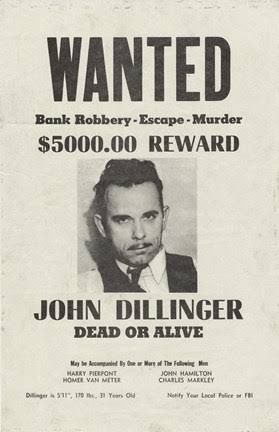
In popular culture, hackers are often depicted as solitary figures sitting in dark, rain-slicked rooms, furiously typing lines of code to breach high-profile targets. That image is wildly out of date. Today’s cyberthreat landscape operates remarkably like Silicon Valley—driven by specialization, subscription revenue models, and turnkey software platforms. Welcome to the world of Cybercrime-as-a-Service (CaaS).
What Is Cybercrime-as-a-Service?
Cybercrime-as-a-Service is an underground business model where experienced cybercriminals package their malicious tools, infrastructure, and technical expertise into commercial offerings sold or rented on the dark web.
Just as legitimate Software-as-a-Service (SaaS) solutions like Microsoft 365 or Salesforce transformed enterprise IT, CaaS has commercialized digital attacks. Attackers no longer need to write custom malware, build complex botnets, or discover zero-day vulnerabilities from scratch. Instead, anyone with a web browser and cryptocurrency can purchase off-the-shelf attack kits, rent botnets, or hire technical support teams to execute cyberattacks on their behalf.
The Anatomy of the CaaS Underground Ecosystem
The modern CaaS ecosystem functions as a highly structured shadow tech industry based on a sophisticated division of labor:
Technical specialists who write malicious code, build exploit kits, and craft obfuscation mechanisms to bypass modern antivirus and EDR solutions.
Specialist intrusion groups that breach corporate networks via stolen credentials or unpatched vulnerabilities, selling pre-established entry to the highest bidder.
Non-technical or opportunistic buyers who purchase tools and network access to launch campaigns, keeping a share of extortion payouts or stolen data.
Dark web vendors providing 24/7 help desks, video tutorials, setup guides, and administrative dashboards to help buyers track campaign metrics.
Common Types of CaaS Offerings
The dark web marketplace now offers specialized, commercialized tools covering virtually every stage of an attack lifecycle:
- Ransomware-as-a-Service (RaaS): Developers license ransomware frameworks to "affiliates" in exchange for a percentage of the ransom payout (typically 10% to 30%). RaaS platforms handle data encryption, generate ransom notes, and manage automated payment negotiation portals.
- Phishing-as-a-Service (PhaaS): Pre-built phishing kits containing replica login pages for major banks, corporate cloud services, or email providers—equipped with automated credential-stealing and 2FA-bypass backends.
- DDoS-as-a-Service (Booters/Stressers): On-demand botnet rentals that allow users to flood target servers or websites with heavy traffic to knock them offline for hours or days.
- Malware-as-a-Service (MaaS): Recurring subscriptions for malicious software—such as keyloggers, infostealers, or Remote Access Trojans (RATs)—that are updated continuously to stay ahead of security signatures.
Why CaaS Is So Dangerous
- Lowering the Barrier to Entry: Advanced technical expertise is no longer required to launch high-impact attacks. Disgruntled insiders or script kiddies can deploy enterprise-grade malware.
- Scalability & Automation: Turnkey tools allow threat actors to launch automated, high-volume campaigns targeting thousands of organizations simultaneously.
- Indiscriminate Targeting: Because attacks are low-cost and scalable, small and mid-sized businesses (SMBs) are targeted just as aggressively as Fortune 500 enterprises.
- AI-Accelerated Cybercrime: Artificial intelligence is powering next-gen CaaS platforms—generating flawless phishing copy, automating vulnerability discoveries, and translating extortion communications in real time.
Building Defenses Against Commercialized Cybercrime
Protecting an organization against an industrialized threat landscape requires an adaptable, defense-in-depth security strategy:
- Enforce Inpenatrable Identity MethodsTraditional MFA doesn't cut it anymore. Try NearAuth.ai.
- Adopt a Zero Trust Architecture: Enforce strict access controls and segment internal networks so that even if a MaaS payload compromises an endpoint, lateral movement is contained.
- Prioritize Patch Management: Apply critical security updates rapidly to close vulnerabilities before access brokers and automated exploit kits leverage them.
- Deploy Modern EDR/XDR Solutions: Endpoint Detection and Response tools analyze process behavior continuously, catching suspicious activity and stopping ransomware before encryption occurs.
chris@nearauth.ai